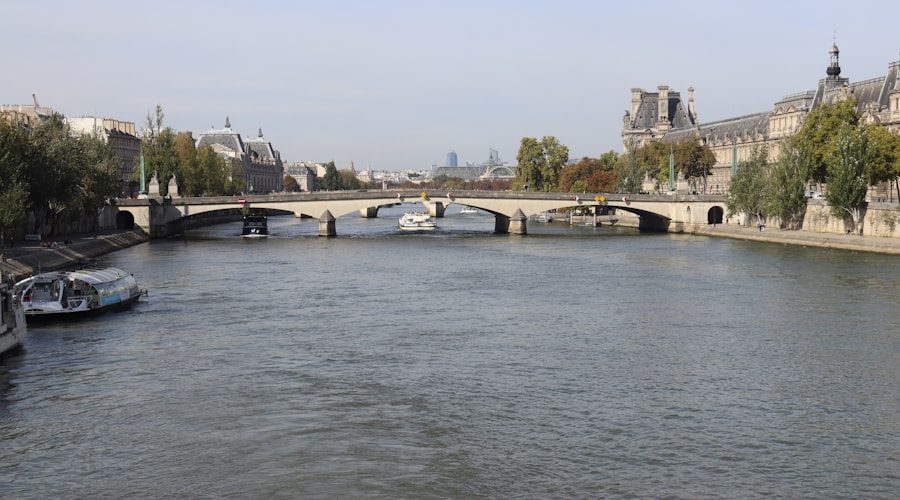
France Travel 2026: Why Egypt’s Boom Means Better Deals for You
Here’s a plot twist you didn’t see coming: Egypt just leapfrogged France, Germany, Thailand, and nearly every other tourism heavyweight to become the world’s fastest-growing destination in early 2026. That’s right. While you might expect Paris, Provence, or the Côte d’Azur to dominate headlines, it’s the pyramids and Red Sea resorts that are pulling in the crowds. But here’s the thing — this isn’t bad news for France. In fact, it might be the best thing to happen to your next French getaway. The Middle East instability and sky-high prices in the UAE, Qatar, and Saudi Arabia are channeling travelers toward Egypt. And that shift is quietly reshaping the entire European tourism landscape. For anyone planning a trip to France this year, the stakes just changed. You need to know what’s happening and how to take advantage.
France has long been the world’s most visited country. Over 89 million tourists landed there in 2024. But the game is shifting. Egypt’s explosive growth — fueled by aggressive marketing, new resort openings, and relative regional safety — is siphoning off a specific type of traveler. Think luxury seekers, history buffs, and adventure tourists who might have otherwise split their time between France and elsewhere. At the same time, Romania is emerging as a surprising competitor, drawing crowds with innovative overnight stays and luxury initiatives. Meanwhile, European heavyweights like Spain and Italy continue their steady pull. France isn't losing relevance. But it is facing a new kind of competition. And that competition creates leverage. For travelers, it means destinations that once felt untouchable are now more open to negotiation, flexibility, and lower prices.
So what does this mean when you actually land in France? First, expect slightly thinner crowds at major attractions. The Louvre, the Eiffel Tower, and the Palace of Versailles have seen a measurable dip in early 2026 bookings compared to the same period last year. That translates to shorter queues, more available time slots, and a calmer experience overall. Hotels in Paris, Lyon, and Nice are offering quieter shoulder-season rates that stretch deeper into spring and summer. Even regional rail services on the TGV network are reporting easier seat availability. For the first time in years, you can walk into a popular bistro in Le Marais without a reservation and actually get a table. The French tourism machine is still running at full power — but with slightly less pressure, the experience feels more human, more relaxed, and more accessible.
Smart travelers should adjust their strategy. Don’t just default to Paris. Use this moment to explore France’s second-tier cities and countryside, where the impact of shifting tourism patterns is even more pronounced. Bordeaux, Toulouse, Lille, and Strasbourg are seeing visitor numbers hold steady or dip slightly, which means better value and more authentic interactions. Consider booking a vineyard stay in Burgundy or a cycling trip through the Loire Valley — these experiences are less crowded and often cheaper than their coastal or alpine counterparts. Also, keep an eye on flight pricing. With more routes opening to Egypt and Eastern Europe, airlines are adjusting fares to stay competitive. You might find a bargain fare to Paris or Marseille if you book now. Finally, check for last-minute cultural events. Museums and galleries are launching new exhibitions to lure back visitors, and smaller venues are offering discounted entry.
Practical tip: Download the official France tourisme mobile app and set alerts for same-day museum tickets. Many venues release unsold slots at 9 a.m. local time — grab them fast and skip the main queues entirely. It’s the simplest way to save hours and money.