Bali Tourist Boom 2026: Floods, Crowds & What Smart Travelers Do Now
Bali is facing a strange paradox right now. Tourist numbers just hit their highest point since 2020 — Indonesia welcomed a flood of foreign arrivals, with Bali alone generating 55 percent of the nation's tourism foreign exchange. Yet thousands of Australian tourists cancelled their trips after severe flooding made headlines. The result? A volatile market where savvy travellers can still find empty beaches and good deals, but only if they know where to look. The island remains the undisputed king of Indonesian tourism, but the cracks are showing. Overcrowding in the south, environmental strain, and a government actively trying to push investment to other islands mean Bali is changing fast. For travellers planning a 2026 trip, the window for the "old Bali" experience is narrowing.
This isn't just another seasonal fluctuation. Indonesia's tourism ministry recently released its 2026 outlook, and the strategy is clear: they want to diversify beyond Bali. That's a polite way of saying Bali is bursting at the seams. The numbers back it up. Before the pandemic, Bali regularly saw over 6 million international visitors per year. Now, with post-2020 revenge travel still going strong, the island is back to pre-pandemic pressure levels. But the infrastructure hasn't caught up. Roads in Canggu and Seminyak are gridlocked for hours. Water shortages plague the dry season. And the recent floods that scared off Australian tourists weren't an anomaly — they were a warning. The island's drainage systems, built for a smaller population, are struggling under the weight of unchecked development.
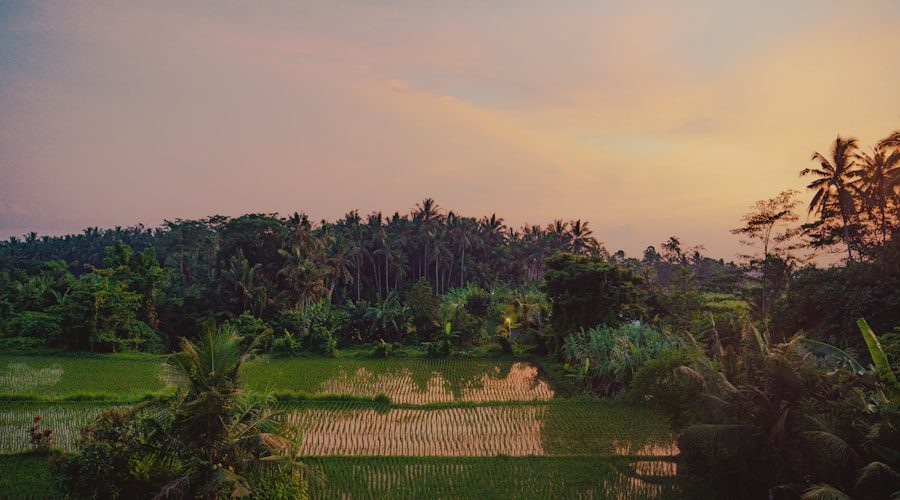
So what does this actually mean for your trip? On the ground, you'll notice two Balis. The first is the Instagram version: beach clubs with infinity pools, traffic jams of scooters between rice fields, and a party scene that never sleeps. The second is quieter, older, and more resilient. Ubud's outskirts still offer genuine yoga retreats without the influencer circus. The east coast around Amed and Sidemen remains remarkably calm. The trick is avoiding the bottleneck areas. If you land at Ngurah Rai and head straight for Seminyak, you'll get the chaos. But if you rent a car and drive two hours north, the crowds thin out dramatically. The government's push to develop other destinations like Labuan Bajo and Mandalika is real, but those spots aren't ready for mass tourism yet. Bali still has the best infrastructure — you just have to use it wisely.
Here's where smart travellers pivot. Instead of booking a villa in Canggu for USD 200 a night, consider staying in Sanur or Lovina. Sanur has a paved beachfront path perfect for morning runs, and the water is calm enough for families. Lovina offers dolphin watching without the South Bali price tag. For accommodation, look for homestays in villages like Penglipuran or Tenganan. They cost a fraction of resort prices and give you direct access to local life. The recent flood cancellations mean last-minute deals are appearing — hotels that lost Australian bookings are slashing rates to fill rooms. Check booking platforms 48 hours before you arrive. And please, skip the Nusa Penida day trip. It's overcrowded, the roads are dangerous, and the Instagram photos don't show the two-hour ferry queues. Instead, take a boat to Nusa Lembongan. Same turquoise water, half the tourists.
Practical tip: Download the Gojek app before you arrive and use it for scooter rentals and food delivery — it's cheaper than street rentals and includes insurance. For flooding, check the BMKG weather forecast (Indonesia's meteorological agency) three days before your trip. If heavy rain is predicted, avoid river-adjacent villas in Ubud and stick to higher ground in Umalas or Canggu's northern edge. That single decision can save your entire holiday.